









Gastroenteritis on Holiday: How to Prevent It, Treat It and Know When to Seek Help
Introduction
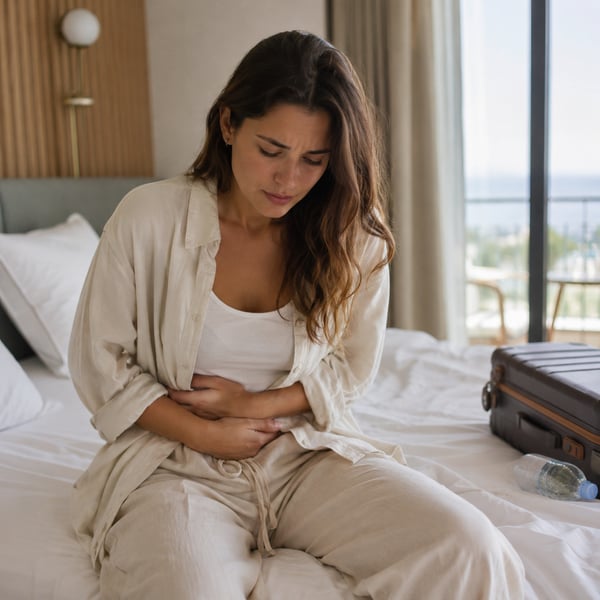
Holidays are associated with rest, travel, eating out, beach days, swimming pools and changes in routine. However, they can also be a time when gastrointestinal problems appear, such as diarrhoea, nausea, vomiting, abdominal cramps, fever and general malaise.
Gastroenteritis is an acute irritation and inflammation of the digestive tract, particularly the stomach and intestines. It can be caused by viruses, bacteria, parasites or toxins present in contaminated food or water.
In most cases, it is a mild and self-limiting illness that improves within a few days with hydration, rest and appropriate dietary care. Even so, it can become more concerning when there are signs of dehydration, persistent symptoms, or when it affects babies, young children, older adults, pregnant women, immunocompromised people or people with chronic diseases.
Knowing what to do, what to avoid and when to seek medical help can make all the difference, especially during the holidays.
By Paulo Pacheco (Farmacêutico)
Edited by 2026-07-08
Gastroenteritis on Holiday: How to Prevent It, Treat It and Know When to Seek Help
Introduction
Holidays are associated with rest, travel, eating out, beach days, swimming pools and changes in routine. However, they can also be a time when gastrointestinal problems appear, such as diarrhoea, nausea, vomiting, abdominal cramps, fever and general malaise.
Gastroenteritis is an acute irritation and inflammation of the digestive tract, particularly the stomach and intestines. It can be caused by viruses, bacteria, parasites or toxins present in contaminated food or water.
In most cases, it is a mild and self-limiting illness that improves within a few days with hydration, rest and appropriate dietary care. Even so, it can become more concerning when there are signs of dehydration, persistent symptoms, or when it affects babies, young children, older adults, pregnant women, immunocompromised people or people with chronic diseases.
Knowing what to do, what to avoid and when to seek medical help can make all the difference, especially during the holidays.
By Paulo Pacheco (Farmacêutico)
Edited by 2026-07-08
Why can gastroenteritis be more common on holiday?
During holidays, several factors can increase the risk of gastrointestinal infections or food poisoning.
The most common include:
- eating out more frequently;
- consuming raw, poorly washed or undercooked foods;
- poorly stored seafood, fish, meat or eggs;
- buffets where food remains exposed for long periods;
- ice made with water of unknown origin;
- unsafe or inadequately treated water;
- close contact with other people in hotels, cruises, swimming pools, transport or shared accommodation;
- less frequent handwashing;
- heat, which favours the growth of microorganisms in food;
- travelling to countries with hygiene and sanitation conditions different from those usually found at home.
During international travel, traveller’s diarrhoea is one of the most common travel-related illnesses. It can occur in any destination, but the risk is higher in places where the safety of food and water is more variable.
What are the main symptoms?
Gastroenteritis can manifest differently from person to person. The most common symptoms include:
- diarrhoea;
- nausea;
- vomiting;
- abdominal pain or cramps;
- loss of appetite;
- general malaise;
- fever;
- muscle aches;
- tiredness;
- signs of dehydration.
Symptoms may begin a few hours after eating contaminated food, especially when toxins are involved, or appear one to several days later when the cause is a viral, bacterial or parasitic infection.
In most cases, vomiting improves within 1 to 2 days, and diarrhoea gradually resolves over the following days. If symptoms persist, worsen or are accompanied by warning signs, medical advice should be sought.
The main risk: dehydration
The main danger of gastroenteritis is the excessive loss of water and mineral salts through diarrhoea, vomiting and fever.
Dehydration can develop more quickly in:
- babies;
- young children;
- older adults;
- pregnant women;
- people with diabetes;
- people with kidney, heart or intestinal disease;
- immunocompromised people;
- people taking diuretics or certain blood pressure medicines.
Signs of dehydration include:
- intense thirst;
- dry mouth and tongue;
- dark urine or reduced urination;
- dizziness;
- weakness;
- drowsiness;
- sunken eyes;
- dry skin;
- irritability or marked lack of energy;
- crying without tears in children;
- fewer wet nappies in babies.
In these situations, fluid replacement should begin as early as possible.
What should you do in the first few hours?
In the first few hours, the main goal is not to “stop” diarrhoea or vomiting immediately, but to prevent dehydration and allow the body to recover.
Important measures include:
- drinking fluids in small, frequent sips;
- using oral rehydration solutions, especially if there are significant fluid losses;
- resting;
- avoiding alcohol;
- avoiding very sugary drinks;
- avoiding heavy, fatty or spicy meals;
- gradually returning to food;
- continuing regular medication, unless otherwise advised by a healthcare professional.
If vomiting is present, it is better to drink small amounts at a time, for example a few sips every 5 to 10 minutes, rather than trying to drink a large amount all at once.
Oral rehydration solutions: when should they be used?
Oral rehydration solutions are one of the most important measures in the treatment of gastroenteritis, especially when there is intense diarrhoea, repeated vomiting, fever or a higher risk of dehydration.
These solutions contain an appropriate balance of water, mineral salts and glucose, helping the body replace fluids more effectively.
They can be especially useful in:
- children;
- older adults;
- frail people;
- episodes with several watery stools;
- repeated vomiting;
- travel to hot destinations;
- situations where early signs of dehydration are present.
They should be prepared according to the instructions on the packaging. If you are travelling and the local water is not safe, use bottled, boiled or properly treated water to prepare the solution.
Sports drinks, soft drinks, juices or energy drinks do not replace oral rehydration solutions, as they may contain too much sugar and an unsuitable balance of mineral salts.
What should you eat during gastroenteritis?
For many years, a very restrictive diet was recommended. Today, the guidance is simpler: eat when you feel able to, in small amounts, choosing light foods that are well tolerated.
Good options may include:
- rice;
- boiled potatoes;
- plain pasta;
- toast;
- banana;
- cooked or puréed apple;
- simple soup;
- cooked carrot;
- boiled or grilled chicken;
- plain crackers or biscuits.
You should temporarily avoid:
- alcohol;
- fried foods;
- very fatty foods;
- spicy food;
- large amounts of dairy products, if they worsen symptoms;
- fizzy drinks;
- very sugary juices;
- large meals.
Breastfed babies should continue breastfeeding. Babies fed with formula should usually continue their normal feeding routine, unless a healthcare professional advises otherwise.
Medicines: what may or may not make sense?
Medication should be chosen carefully, especially in children, older adults, pregnant women and people with chronic diseases.
Paracetamol
Paracetamol can be used for fever or pain, provided the appropriate dose for age and weight is respected.
Extra care is needed if there is persistent vomiting, liver disease, alcohol consumption, or use of other medicines that also contain paracetamol.
Antidiarrhoeal medicines
Medicines such as loperamide can reduce stool frequency and may be useful in adults in specific situations, for example during a long journey by plane, coach or car.
However, they should not be used if there is:
- blood in the stool;
- high fever;
- suspected invasive infection;
- severe abdominal pain;
- worsening general condition.
They should also not be used in children unless recommended by a healthcare professional.
Antibiotics
Most cases of gastroenteritis are viral or self-limiting, so antibiotics are not needed.
In the context of traveller’s diarrhoea, antibiotics may be indicated in selected cases, especially when diarrhoea is severe, associated with fever, bloody stools or disabling symptoms.
Antibiotics should only be used when recommended by a doctor, because the choice depends on the destination, the likely cause, local bacterial resistance, age, pregnancy, existing medical conditions and possible drug interactions.
Antiemetics
Medicines for vomiting may be useful in some cases, but they should be used with professional guidance, especially in children, pregnant women, older adults or people with other medical conditions.
Probiotics
Some probiotics may help reduce the duration of diarrhoea in certain situations, but the benefit depends on the strain, dose and context.
They do not replace hydration and should be chosen with appropriate advice.
Gastroenteritis or food poisoning?
Gastroenteritis and food poisoning are not exactly the same thing, although they can cause very similar symptoms.
Gastroenteritis is the gastrointestinal condition, involving irritation and inflammation of the stomach and/or intestines, which may cause diarrhoea, nausea, vomiting, abdominal cramps, fever and malaise.
Food poisoning is one possible cause of gastroenteritis. It occurs when symptoms develop after eating or drinking food or water contaminated with bacteria, viruses, parasites or toxins produced by these microorganisms.
In practice, it can be difficult to distinguish between the two based only on symptoms. Food poisoning may appear a few hours after a contaminated meal, especially when toxins are involved. Viral gastroenteritis, on the other hand, can spread easily from person to person, particularly in closed or crowded environments such as hotels, cruises, schools, nurseries or holiday homes.
In both cases, the most important steps are to stay hydrated, monitor symptoms, avoid spreading the infection to others and seek medical help if warning signs appear.
How can you avoid infecting other people?
Many forms of gastroenteritis are contagious. It is therefore important to reduce the risk of transmission, especially within families, shared accommodation, hotels or holiday homes.
Useful measures include:
- washing hands frequently with soap and water;
- washing hands after using the toilet and before eating;
- avoiding preparing food for others while symptoms are present;
- cleaning and disinfecting bathroom surfaces;
- not sharing towels, cutlery or glasses;
- washing clothes soiled with vomit or faeces separately;
- avoiding swimming pools while diarrhoea is present;
- taking extra care for at least 48 hours after symptoms have stopped.
Alcohol-based hand sanitiser can be useful when soap and water are not available, but it does not replace thorough handwashing, especially when viral gastroenteritis, such as norovirus, is suspected.
How can gastroenteritis be prevented on holiday?
Prevention starts with small habits.
Food precautions
- choose food that is well cooked and served hot;
- avoid raw foods of uncertain origin;
- be cautious with raw or undercooked seafood;
- avoid buffets where food appears to have been exposed for a long time;
- peel fruit whenever possible;
- avoid salads washed with unsafe water;
- choose places with good hygiene standards.
Water and drink precautions
- drink bottled or treated water;
- check that the bottle is sealed;
- avoid ice of unknown origin;
- use safe water to brush your teeth in higher-risk destinations;
- avoid drinks prepared with unsafe water.
Hygiene precautions
- wash hands with soap and water;
- use alcohol-based hand sanitiser when handwashing is not possible;
- avoid touching your mouth with dirty hands;
- keep wipes or hand sanitiser in your bag;
- teach children to wash their hands before eating.
What should you pack?
For holidays, especially with children or when travelling to hot destinations, it may be useful to prepare a small health kit.
It may include:
- oral rehydration solutions;
- thermometer;
- paracetamol;
- antidiarrhoeal medicine, if appropriate for the adult and after advice;
- probiotic, if recommended;
- hand sanitiser;
- wipes;
- regular medication;
- prescription or medical statement, if needed;
- emergency contacts and travel insurance details;
- European Health Insurance Card, if travelling within the European Union or covered countries.
A pharmacy can help adapt the kit to the destination, travellers’ ages, existing illnesses and length of the trip.
When should you consult a doctor?
Medical advice should be sought if there are:
- signs of dehydration;
- persistent vomiting that prevents fluid intake;
- diarrhoea with blood;
- black or very dark stools;
- high or persistent fever;
- severe or localised abdominal pain;
- marked lethargy, confusion or drowsiness;
- diarrhoea lasting more than 7 days;
- vomiting lasting more than 2 days;
- symptoms in babies under 12 months;
- symptoms in pregnant women, older adults or immunocompromised people;
- progressive worsening despite self-care measures;
- symptoms after travel to a tropical country or higher-risk area;
- suspected food poisoning affecting several people.
In Portugal, you can contact SNS 24 on 808 24 24 24 for guidance. In case of severe symptoms, urgent medical care should be sought.
Gastroenteritis in children: extra care is needed
In children, dehydration can develop more quickly. It is important to monitor behaviour, fluid intake and how often the child passes urine.
Warning signs in children include:
- fewer wet nappies;
- crying without tears;
- dry mouth;
- sunken eyes;
- unusual drowsiness;
- intense irritability;
- persistent refusal to eat or drink;
- repeated vomiting;
- blood in the stool;
- high fever;
- severe abdominal pain.
Do not give medicines to stop diarrhoea or vomiting without medical advice.
Hydration should be given in small amounts, frequently. When there are significant fluid losses, oral rehydration solutions are generally the most appropriate option.
Conclusion
Gastroenteritis on holiday is common, uncomfortable and can spoil a few days of rest. In most cases, it improves with simple measures: hydration, rest, light food and monitoring.
The most important steps are to prevent dehydration, avoid transmitting the infection to others and recognise warning signs.
Before travelling, especially to hot destinations or places with a higher health risk, it is worth preparing a small health kit and asking for advice at the pharmacy or during a travel health consultation.
With a few simple precautions, it is possible to reduce the risk and enjoy the holidays more safely.
Sources
This article is based on recommendations and information from national and international organisations such as SNS24, Portuguese National Health Service units, CUF, National Health Service (NHS), Centers for Disease Control and Prevention (CDC), CDC Travelers’ Health, CDC Yellow Book, World Health Organization (WHO), and medical literature on acute gastroenteritis, traveller’s diarrhoea, oral rehydration, food safety and prevention of gastrointestinal infections.