











Love Can Also Be Learned: An Art Cultivated Every Day
February is traditionally associated with love. Flowers, romantic gestures and heartfelt declarations take centre stage, reminding us of the importance of emotional bonds. Yet, one essential dimension of love is often overlooked: its deep connection to emotional balance and overall well-being.
By Paulo Pacheco (Farmacêutico)
Edited by 2026-02-03
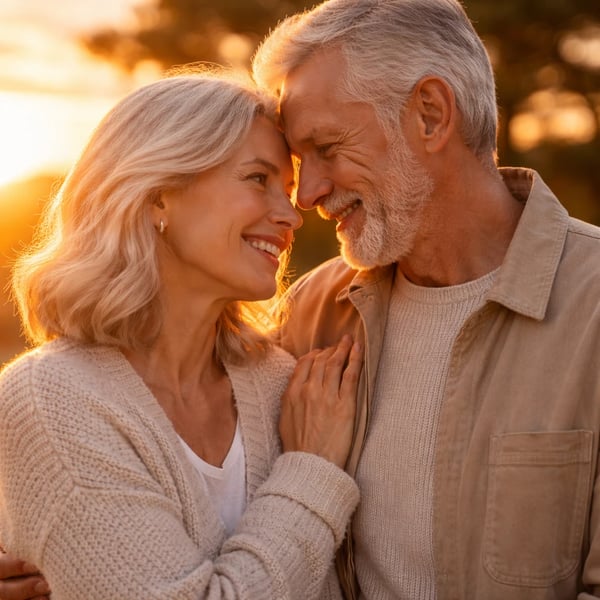
Love Can Also Be Learned: An Art Cultivated Every Day
February is traditionally associated with love. Flowers, romantic gestures and heartfelt declarations take centre stage, reminding us of the importance of emotional bonds. Yet, one essential dimension of love is often overlooked: its deep connection to emotional balance and overall well-being.
By Paulo Pacheco (Farmacêutico)
Edited by 2026-02-03
Like painting or music, love is not solely the result of spontaneous inspiration. It is an art that must be learned, practised and refined over time. A painter repeats brushstrokes, makes mistakes, adjusts and starts again in search of harmony. A musician practises scales and rhythms until the melody flows naturally. Love follows the same principle: it is a continuous process of learning and construction.
We often experience love as a sudden, almost magical feeling. While this initial emotion has its place, when love is understood only as an impulse, it becomes fragile and unstable, dependent on circumstances. The true art of loving goes beyond passion. It involves conscious choice, commitment, perseverance and emotional courage. To love is to choose to stay during difficult moments, to accept imperfections — our own and those of others — and to transform challenges and conflicts into opportunities for growth.
It is true that human beings are biologically predisposed to connection and affection. Our biology prepares us to bond. However, this predisposition is only the starting point. Like any skill or talent, love requires care, attention and practice to develop. Without nurturing, it may give way to emotional distance, relational strain, stress or frustration.
The way we learn to love is also shaped by social and cultural influences. Norms, expectations and external models often define how we express affection and build relationships. Many of us grow up associating love with idealised or unrealistic standards, which can distance us from authenticity and from our genuine emotional needs. Loving, therefore, is also an act of awareness, self-knowledge and, at times, liberation from beliefs that no longer serve us.
Caring for love is caring for emotional health. And emotional health is a fundamental pillar of overall well-being. Healthy relationships contribute to better quality of life, emotional stability and even physical health. When we understand that love is not merely something that happens to us, but something we actively build, we stop chasing perfection and begin to act with greater empathy, patience and balance — towards ourselves and towards others.
This month of love, perhaps the most meaningful celebration is this: to see love as a living art, practised every day with intention, care and presence.