









Herniated Disc: Prevention, Symptoms, and Treatment Options
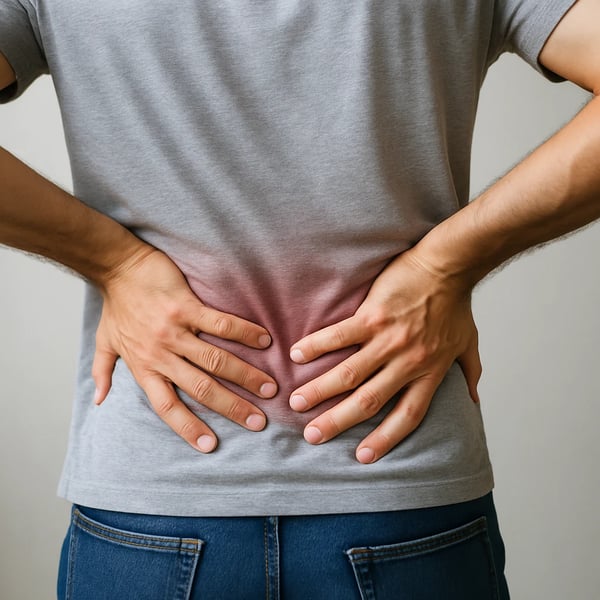
A herniated disc is one of the most common causes of spinal pain, affecting both the lumbar and cervical regions. Although widespread, many people do not fully understand what happens in the spine, how symptoms arise, or what they can do to prevent or treat this condition. This article explains, in a clear and medically accurate way, what current scientific literature describes about herniated discs.
By Paulo Pacheco (Farmacêutico)
Edited by 2025-11-23
Herniated Disc: Prevention, Symptoms, and Treatment Options
A herniated disc is one of the most common causes of spinal pain, affecting both the lumbar and cervical regions. Although widespread, many people do not fully understand what happens in the spine, how symptoms arise, or what they can do to prevent or treat this condition. This article explains, in a clear and medically accurate way, what current scientific literature describes about herniated discs.
By Paulo Pacheco (Farmacêutico)
Edited by 2025-11-23
What is a herniated disc?
The spine is made up of vertebrae separated by discs that function like small “cushions.” These discs enable movement, increase flexibility, and absorb daily impact.
A herniated disc occurs when part of the disc shifts out of its normal position and compresses a nearby nerve. This compression may cause pain, tingling, numbness, or weakness in the arms or legs.
Most common locations:
-
Lumbar region — frequently causes sciatica (radiating leg pain)
-
Cervical region — can cause pain radiating to the shoulder and arm
Causes and risk factors
Herniated discs develop due to a combination of natural structural changes in the discs and mechanical or lifestyle factors. The following causes are the most well-established in medical literature:
1. Early disc degeneration (explains the peak prevalence between ages 20 and 40)
Discs begin to lose hydration and elasticity from adolescence into early adulthood. This early degeneration makes them more vulnerable to fissures and displacement.
📌 Why are herniated discs most common between ages 20 and 40?
-
The discs remain flexible enough to herniate
-
But have already lost part of their natural resistance
-
This age group usually engages in more physical and occupational activity
In older adults, the disc becomes more rigid and, paradoxically, less likely to herniate.
2. Physical strain, overload, and improper movements
Well-documented risk factors include:
-
Lifting heavy objects incorrectly
-
Repeated bending
-
Sudden twisting movements
-
Jobs involving prolonged vibration (e.g., professional drivers)
-
Poor posture maintained for long periods
These movements increase pressure on the disc and can lead to fissures in the outer layer.
3. Lifestyle factors
Scientific evidence identifies several modifiable factors that increase risk:
Sedentary lifestyle
Weakens the muscles that support the spine.
Excess body weight
Increases pressure on the lumbar vertebrae and accelerates disc changes.
Smoking
Reduces blood supply and disc nutrition, accelerating degeneration.
Poor muscle strength
Weak abdominal, gluteal, and lumbar muscles leave the spine less supported and more prone to overload.
4. Trauma
Although less common than degenerative causes, trauma can trigger disc herniation:
-
Falls
-
Accidents
-
Direct impact
-
Sudden forceful movements
Trauma typically acts as a “trigger” when the disc is already weakened.
5. Genetic factors
Recent studies show that genetics significantly influence susceptibility to disc degeneration and herniation. Some inherited variants weaken disc structure and increase risk even in young, active individuals.
Symptoms of a herniated disc
Symptoms depend on the disc’s location and the nerve affected.
Lumbar herniated disc
-
Lower back pain
-
Radiating leg pain (sciatica)
-
Tingling or numbness
-
Weakness in the foot or leg
Cervical herniated disc
-
Neck pain
-
Pain radiating to shoulder and arm
-
Tingling or numbness in the hand
-
Reduced strength in the arm
Warning signs (medical emergency)
Urgent evaluation is needed if the patient experiences:
-
Loss of bladder or bowel control
-
Numbness in the inner thighs (saddle anesthesia)
-
Progressive limb weakness
-
Severe pain accompanied by fever or unexplained weight loss
These signs may indicate serious neurological compromise.
Diagnosis
Diagnosis is based on:
-
Clinical history
-
Neurological examination
-
Magnetic resonance imaging (MRI) — gold standard
-
CT scan or X-ray in specific cases
MRI allows precise visualization of the herniation and nerve compression.
How to prevent a herniated disc
Evidence-based measures that reduce risk include:
1. Regular physical activity
Strengthens abdominal, lumbar, and gluteal muscles.
2. Good posture and ergonomics
-
Adjust chairs and workstations
-
Take frequent breaks
-
Lift objects by bending at the knees and keeping the back straight
3. Maintaining a healthy weight
4. Avoiding smoking
5. Not sitting for long periods
Move and stretch the spine regularly.
Treatment of a herniated disc
Most cases improve without surgery.
1. Medications
May include:
-
Analgesics
-
Anti-inflammatory drugs
-
Muscle relaxants
-
Neuropathic pain medications
-
Oral corticosteroids in selected cases (with medical evaluation)
2. Physiotherapy
One of the most effective treatments, helping to:
-
Reduce pain
-
Improve mobility
-
Strengthen muscles
-
Correct posture
3. Epidural injections
Corticosteroid injections may be recommended for severe or persistent pain.
4. Surgery
Indicated when:
-
There is significant motor weakness
-
Conservative treatment fails after several weeks
-
There are signs of severe neurological compression
Modern techniques are minimally invasive and allow faster recovery.
Conclusion
A herniated disc is common, particularly between ages 20 and 40, when the disc remains flexible enough to herniate. Nevertheless, most cases resolve with conservative treatment, physiotherapy, and lifestyle modifications. Prevention—through physical activity, proper posture and ergonomics, and control of modifiable factors—remains the best way to maintain spinal health and prevent recurrences.
Sources
The information in this article is based on recommendations and scientific reviews from international entities such as the North American Spine Society (NASS), American Association of Neurological Surgeons (AANS), European Spine Journal, New England Journal of Medicine, and classic studies on disc degeneration published in journals such as Spine and the Journal of Bone and Joint Surgery.