











Legumes and Pulses: Health Benefits and How to Include Them in Your Diet
Introduction
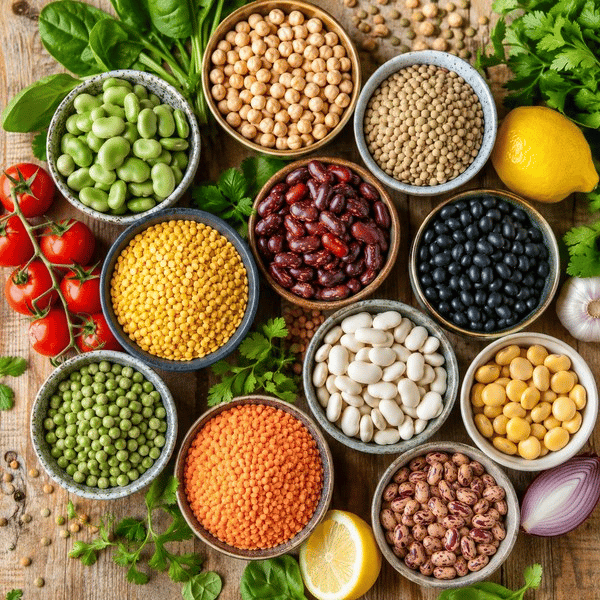
Beans, chickpeas, lentils, peas, broad beans, lupin beans and soya are part of a food group with a long tradition in Portuguese and Mediterranean eating patterns: legumes.
Although they are nutritious, affordable, versatile and widely present in Portuguese cuisine, they are still often consumed in lower amounts than recommended. However, including legumes regularly in the diet can bring important health benefits.
Rich in plant protein, fibre, complex carbohydrates, vitamins and minerals, legumes help improve the quality of the diet, contribute to satiety, support intestinal health and can be part of an eating pattern that is favourable to the prevention of cardiovascular and metabolic diseases.
By Paulo Pacheco (Farmacêutico)
Edited by 2026-07-24
Legumes and Pulses: Health Benefits and How to Include Them in Your Diet
Introduction
Beans, chickpeas, lentils, peas, broad beans, lupin beans and soya are part of a food group with a long tradition in Portuguese and Mediterranean eating patterns: legumes.
Although they are nutritious, affordable, versatile and widely present in Portuguese cuisine, they are still often consumed in lower amounts than recommended. However, including legumes regularly in the diet can bring important health benefits.
Rich in plant protein, fibre, complex carbohydrates, vitamins and minerals, legumes help improve the quality of the diet, contribute to satiety, support intestinal health and can be part of an eating pattern that is favourable to the prevention of cardiovascular and metabolic diseases.
By Paulo Pacheco (Farmacêutico)
Edited by 2026-07-24
What are legumes?
Legumes belong to the Fabaceae family. In food, we mainly consume their seeds, either fresh or dried.
The most common legumes in Portugal include:
- beans;
- chickpeas;
- lentils;
- peas;
- broad beans;
- lupin beans;
- soya;
- runner beans;
- grass pea.
There are also oilseed legumes, such as soya and peanuts, which have a higher fat content. Peanuts are botanically legumes, although from a nutritional and allergy perspective they are often treated differently from beans, chickpeas or lentils.
It is also important to distinguish some foods that belong to the same botanical family but are classified in other groups in the Portuguese Food Wheel. Green beans and mangetout peas, for example, are generally included in the vegetable group because they are eaten as green pods.
Why are they so interesting from a nutritional point of view?
Legumes combine several important nutrients in the same food.
In general, they provide:
- plant protein;
- soluble and insoluble fibre;
- complex carbohydrates;
- non-haem iron;
- magnesium;
- potassium;
- zinc;
- phosphorus;
- folates;
- B vitamins;
- bioactive compounds, such as polyphenols.
Unlike many animal protein sources, legumes are generally low in saturated fat and contain no cholesterol. This makes them an interesting option for diversifying protein sources throughout the week.
However, the benefit also depends on how they are prepared. A dish with beans, vegetables, brown rice and olive oil is very different from a meal that is high in salt, processed meats and saturated fat.
Plant protein: a useful option for everyone
Legumes are one of the main sources of plant-based protein.
The protein in some legumes may contain lower amounts of certain essential amino acids when compared with animal proteins. Even so, this does not mean that it is a protein of little value. In a varied diet, combining legumes throughout the day with cereals, nuts, seeds, eggs, fish, meat or dairy products helps provide the amino acids the body needs.
Traditional examples show this complementarity well:
- rice with beans;
- chickpeas with cod;
- lentils with rice;
- soup with beans;
- peas with eggs;
- hummus with bread or wholegrain toast.
For people who follow a vegetarian diet or who wish to reduce their meat intake, legumes are particularly important. Even so, they should be part of everyone’s diet, not only the diet of people following vegetarian eating patterns.
Benefits for cardiovascular health
Legumes can contribute to a diet that is more favourable to cardiovascular health.
Their fibre content, especially soluble fibre, may help reduce the absorption of cholesterol in the intestine. In addition, replacing some animal proteins, particularly processed meats or foods rich in saturated fat, with plant protein can improve the overall quality of the diet.
Legumes also provide potassium and magnesium, minerals that are important for muscle function, electrolyte balance and blood pressure regulation in the context of a healthy diet.
Even so, no single food “protects the heart” on its own. What matters most is the overall eating pattern: more minimally processed foods, vegetables, fruit, legumes, whole grains, olive oil and nuts; less salt, sugar, processed meats, fried foods and ultra-processed products.
Blood sugar control and diabetes
Legumes contain carbohydrates, but these are absorbed more gradually than simple sugars and many refined products.
This is because they contain fibre, protein and more slowly digested starch. For this reason, they tend to have a lower glycaemic index and may help promote a more stable blood glucose response after meals.
In people with diabetes, prediabetes or insulin resistance, legumes can be a good source of carbohydrates, provided portions are adjusted to individual needs and integrated into the recommended eating plan.
They do not replace medical or nutritional follow-up, but they can be a useful tool within a balanced diet.
Satiety and weight management
Legumes are rich in fibre and protein, two nutrients associated with greater satiety.
This means they may help control appetite between meals and reduce the tendency to snack on less balanced foods. In addition, they are affordable, versatile and can make healthy meals more complete and economical.
However, they are not a “miracle” food for weight loss. Their effect depends on the amount eaten, the way they are prepared and the overall diet. A chickpea salad with vegetables and a moderate amount of olive oil is not the same as a highly caloric dish with excess fat, salt and processed meats.
Intestinal health and the microbiota
The fibre in legumes helps regulate intestinal transit and serves as food for beneficial bacteria in the gut.
During the fermentation of fibre by the gut microbiota, compounds such as short-chain fatty acids are produced. These have been associated with proper functioning of the intestinal barrier and favourable metabolic effects.
This fermentation is also why some people experience gas or abdominal bloating after eating legumes. This effect is common and, in most cases, can improve with gradual introduction and appropriate preparation.
Why can legumes cause gas?
Legumes contain fermentable carbohydrates, such as certain oligosaccharides, which are not fully digested in the small intestine. When they reach the colon, they are fermented by intestinal bacteria, producing gas.
This does not mean that legumes are harmful. On the contrary, these compounds are part of the fibre and fermentable components that may benefit the gut microbiota.
To reduce discomfort, it may help to:
- introduce legumes gradually;
- start with small portions;
- soak dried legumes before cooking;
- discard the soaking water;
- cook them thoroughly;
- use herbs or spices, such as bay leaf, cumin, fennel or ginger;
- blend them into soups, purées or hummus;
- try split or peeled lentils, which tend to be better tolerated.
People with irritable bowel syndrome or greater intestinal sensitivity may need an individualised approach.
Dried, frozen or canned legumes: which should you choose?
Dried legumes are an excellent option, economical and with good nutritional quality. However, they require soaking and cooking, which may not be practical every day.
Frozen legumes, such as peas or broad beans, are also good options and make it easier to prepare quick meals.
Canned or jarred legumes are practical and can be part of a healthy diet. The main point to watch is their salt content. Whenever possible, choose low-salt versions, drain them and rinse them with water before use.
When choosing packaged products, it is worth reading the label and preferring simple options, without very salty, fatty or sugary sauces.
Watch the salt: canned legumes and lupin beans
Lupin beans are widely consumed in Portugal and can be an interesting option, rich in protein and fibre. However, many ready-to-eat versions have a high salt content.
The same can happen with some canned beans, chickpeas or lentils.
To reduce salt intake:
- choose low-salt versions when available;
- drain and rinse canned legumes;
- moderate the amount of lupin beans consumed;
- avoid adding too much salt during cooking;
- use herbs, spices, garlic, onion, lemon or vinegar to add flavour.
This care is especially important for people with high blood pressure, cardiovascular disease, kidney disease or a need to control sodium intake.
Antinutrients: should we be concerned?
Legumes naturally contain compounds such as phytates, lectins and tannins, sometimes called “antinutrients” because they can reduce the absorption of some minerals or interfere with digestion when consumed in large amounts or when poorly prepared.
In practice, for most people, this is not a reason to avoid legumes.
Soaking, discarding the soaking water, proper cooking, sprouting and fermentation can reduce many of these compounds and improve digestibility. In addition, some of these plant compounds may also have potentially beneficial antioxidant and metabolic effects.
The most important point is simple: dried legumes should be well cooked. Dried beans, such as dried red kidney beans, should not be eaten raw or undercooked because of their lectin content.
Legumes and anaemia: they can help, but with some precautions
Legumes provide iron of plant origin, known as non-haem iron. This type of iron is absorbed less efficiently than haem iron, which is found in animal foods such as meat and fish.
However, there are simple ways to improve its absorption:
- combine legumes with foods rich in vitamin C, such as orange, kiwi, strawberries, peppers, tomato or lemon;
- avoid drinking tea or coffee immediately with main meals, as they can reduce iron absorption;
- vary iron sources throughout the week;
- soak and cook legumes properly.
In cases of diagnosed anaemia, pregnancy, very heavy periods, strict vegetarian diets or symptoms such as persistent tiredness, shortness of breath or palpitations, medical assessment is recommended.
How often should we eat legumes?
In Portugal, dietary recommendations encourage regular consumption of legumes. The Portuguese Nutrition Association has promoted the practical message of including at least 1 portion of legumes per day, while the Food Wheel and the Mediterranean Food Wheel support the regular inclusion of this food group, which may correspond to 1 to 2 portions per day.
In practical terms, one portion may correspond approximately to:
- 1 tablespoon of raw dried legumes, around 25 g;
- 3 tablespoons of cooked legumes, around 80 g;
- 3 tablespoons of raw fresh legumes, such as peas or broad beans, around 80 g.
The ideal amount depends on age, energy needs, level of physical activity, health status and the overall composition of the meal.
For people who are not used to eating legumes, it may be better to start with small amounts, a few times per week, and increase gradually.
How to include more legumes in everyday meals
Legumes are very versatile and can be used in both traditional and modern dishes.
Simple ideas include:
- adding beans to soup;
- preparing chickpea salad with egg, tuna or vegetables;
- making stewed lentils with vegetables;
- replacing part of the meat with beans or lentils in Bolognese sauce;
- using hummus in sandwiches, wraps or toast;
- adding peas to rice, pasta or eggs;
- preparing homemade bean or chickpea burgers;
- using black-eyed beans in cold salads;
- making chickpea or lentil curry;
- including broad beans in seasonal dishes;
- adding chickpeas or beans to bowls, salads or quick meals.
A practical strategy is to cook a larger amount and freeze small portions, ready to use during the week.
Who should be more careful?
Despite their benefits, some people may need to adjust the amount, frequency or type of legume consumed, ideally with guidance from a healthcare professional.
This may be particularly important for people with:
- irritable bowel syndrome or greater intestinal sensitivity, because some legumes may increase gas, cramps or abdominal bloating;
- chronic kidney disease, especially when there is a need to control potassium or phosphorus intake;
- gout or high uric acid, if there are doubts about individual tolerance or foods that trigger attacks;
- food allergy, especially to soya or peanuts;
- babies and young children, where texture, quantity and preparation should be appropriate for age.
This does not mean that these people need to exclude legumes from their diet. It simply means that, in some cases, recommendations should be individualised.
Legumes and sustainability
In addition to their nutritional benefits, legumes have environmental advantages.
Their production can contribute to soil fertility, because many legumes help fix nitrogen. They also tend to have a lower environmental impact than several animal protein sources, especially when used to partially replace meat in some meals.
This does not mean that everyone needs to follow a vegetarian diet. It simply means that increasing legume intake can be a simple way to make the diet more balanced, economical and sustainable.
The role of the pharmacy
The pharmacy can help clarify practical questions about healthy eating, label reading, salt control, supplementation and the interaction between diet, diseases and medicines.
This advice may be particularly useful for people with:
- high blood pressure;
- diabetes;
- high cholesterol;
- kidney disease;
- gastrointestinal problems;
- excess weight;
- anaemia;
- pregnancy;
- vegetarian or vegan diets;
- multiple medications.
Legumes are safe and healthy foods for most people, but their inclusion should take into account health status, regular medication and individual needs.
Conclusion
Legumes are traditional, affordable and nutritionally rich foods. They provide plant protein, fibre, complex carbohydrates, vitamins, minerals and bioactive compounds.
Their regular consumption can contribute to a more balanced diet, greater satiety, better intestinal health and an eating pattern that is more favourable to cardiovascular and metabolic health.
Beans, chickpeas, lentils, peas, broad beans, lupin beans and soya do not need to be occasional foods. With small adjustments, they can be part of everyday meals in a simple, tasty and healthy way.
Sources
This article is based on recommendations and information from national and international organisations such as the Portuguese Directorate-General of Health/National Programme for the Promotion of Healthy Eating, the Food Wheel, the Mediterranean Food Wheel, the Portuguese Nutrition Association, World Health Organization (WHO), Food and Agriculture Organization of the United Nations (FAO), Harvard T.H. Chan School of Public Health, American Heart Association and scientific literature on nutrition, cardiovascular health, diabetes, gut microbiota, dietary fibre and healthy eating patterns.